
CONDITIONS DIRECTORY
If your condition has a name, we have a page for it.
Six categories, each backed by the clinical depth of whole genome sequencing.
01
Cardiac
Inherited arrhythmias, cardiomyopathies, familial hypercholesterolaemia. Conditions where a single variant can define lifetime risk.
02
Hereditary Cancer
BRCA1, BRCA2, Lynch Syndrome, CHEK2, PALB2. The genes most associated with inherited cancer risk, sequenced completely.
03
Neurological
APOE4, LRRK2, GBA, hereditary ataxias. Genetic risk factors for Alzheimer's, Parkinson's, and other neurodegenerative conditions.
04
Rare Disease
When targeted panels return no answer. Whole genome sequencing reads the regions that panels were never designed to check.
05
Pharmacogenomics
132 medications, PharmCAT and CPIC guidelines. How your genes affect drug metabolism, efficacy, and adverse reaction risk.
06
Unexplained Symptoms
When standard tests say you're fine. When years of specialist visits have produced no coherent diagnosis. The genome often holds the answer.
CATEGORY 01
Cardiac Conditions
Inherited cardiac conditions are among the most clinically actionable findings in genomic medicine. A single pathogenic variant can define lifetime risk for sudden cardiac events, guide medication choices, and inform screening for family members.
Brugada Syndrome
A genetic arrhythmia condition associated with sudden cardiac arrest. SCN5A gene variants are identified through whole genome sequencing, enabling risk stratification and preventive intervention.
Familial Hypercholesterolaemia
An inherited condition causing dangerously elevated cholesterol from birth. Variants in LDLR, APOB, and PCSK9 are fully sequenced, enabling early treatment before cardiovascular damage occurs.
Hypertrophic Cardiomyopathy (HCM)
The most common inherited heart muscle disease. Variants in MYH7, MYBPC3, and other sarcomere genes are sequenced at 30X depth, providing clinical-grade diagnostic confidence.
Long QT Syndrome
A heart rhythm condition that can cause fast, chaotic heartbeats. Multiple genes (KCNQ1, KCNH2, SCN5A) are fully covered, supporting subtype-specific treatment decisions.
CATEGORY 02
Hereditary Cancer
Hereditary cancer syndromes account for 5 to 10 percent of all cancers. Identifying a pathogenic variant before a cancer diagnosis can change outcomes through enhanced surveillance, risk-reducing interventions, and family cascade testing.
View oncology products arrow_forwardBRCA1 / BRCA2
The most well-known hereditary cancer genes. Pathogenic variants significantly increase lifetime risk for breast, ovarian, prostate, and pancreatic cancers. Both genes are fully sequenced, including intronic regions missed by targeted panels.
Lynch Syndrome
Caused by variants in mismatch repair genes (MLH1, MSH2, MSH6, PMS2, EPCAM). Significantly increases risk for colorectal, endometrial, and other cancers. Early identification enables enhanced screening protocols.
CHEK2
A moderate-penetrance gene associated with increased risk for breast and colorectal cancer. Often missed by panels that focus only on high-penetrance genes. Whole genome sequencing captures the complete picture.
PALB2
A BRCA2 partner gene now recognized as a high-penetrance breast cancer gene. NCCN guidelines recommend enhanced screening for PALB2 carriers. Fully sequenced in the Dante Genome Test.
CATEGORY 03
Neurological Conditions
Neurodegenerative conditions have strong genetic components that are increasingly well understood. Knowing your genetic risk profile enables proactive health decisions, clinical trial eligibility, and informed family planning.
APOE4 / Alzheimer's Risk
The APOE gene is the strongest common genetic risk factor for late-onset Alzheimer's disease. Carrying one or two copies of the e4 allele significantly increases lifetime risk. Full genotyping is included in every Dante Genome Test.
Parkinson's Disease: LRRK2 / GBA
LRRK2 and GBA are the two most significant genetic risk genes for Parkinson's disease. Variants in these genes inform prognosis, clinical trial eligibility, and emerging targeted therapies currently in development.
Hereditary Ataxias
A group of neurological disorders affecting coordination and movement, caused by variants across dozens of genes. Many are undiagnosed because targeted panels do not cover the full set of implicated genes.
Other Neurodegenerative Variants
Whole genome sequencing covers the full spectrum of neurogenetic variants, including those associated with frontotemporal dementia, ALS, Huntington's, and hereditary neuropathies.
CATEGORY 04
Rare Disease
Rare diseases are collectively common: approximately 1 in 10 people is affected. The average diagnostic journey takes 4 to 7 years and involves multiple specialists. Whole genome sequencing reads the regions that panels were never designed to check.
Ehlers-Danlos Syndrome (EDS)
A group of connective tissue disorders affecting joints, skin, and blood vessels. Multiple subtypes are caused by variants in different genes (COL5A1, COL3A1, TNXB and others), many of which are only detectable through whole genome sequencing.
MTHFR Variants
MTHFR gene variants affect folate metabolism and are associated with a range of conditions from neural tube defects to cardiovascular risk. Over 200,000 monthly US searches reflect widespread interest and clinical relevance.
Undiagnosed Conditions
For patients who have exhausted standard diagnostic pathways, whole genome sequencing provides the most comprehensive single test available. It reads every coding and non-coding region, capturing variants that no panel was designed to find.
Diagnostic Odyssey
Many rare disease patients see 7 or more specialists before receiving a diagnosis. Whole genome sequencing can compress this journey into a single test, giving clinicians a complete genetic dataset to work from.
CATEGORY 05
Pharmacogenomics
Your genes determine how you metabolize medications. Pharmacogenomic testing identifies which drugs are likely to work, which may cause adverse reactions, and which require dosage adjustments. Our report covers 132 medications using PharmCAT and CPIC guidelines.
EU AVAILABILITY NOTE
Pharmacogenomic reports are available for all Dante Genome Test customers. Some report features may vary by region due to regulatory requirements in the EU.
COMT Gene
The COMT gene affects dopamine metabolism and influences response to pain medications, psychiatric drugs, and stimulants. Variants in COMT can explain why certain treatments feel ineffective or cause unexpected side effects.
MTHFR (Pharmacogenomic Context)
Beyond disease risk, MTHFR variants affect response to methotrexate, certain anesthetics, and folate-dependent medications. Pharmacogenomic interpretation provides actionable drug interaction guidance.
CYP450 Enzyme Family
CYP2D6, CYP2C19, CYP3A4, and other cytochrome P450 enzymes metabolize the majority of prescribed medications. Variant status determines whether you are a poor, intermediate, normal, or ultra-rapid metabolizer.
132 Medications Covered
Our pharmacogenomic report covers 132 medications across cardiology, psychiatry, oncology, pain management, and more. Reports are generated using PharmCAT and CPIC clinical guidelines for evidence-based drug interaction data.
CATEGORY 06
Unexplained Symptoms
Years of specialist visits. Normal lab results. No diagnosis. For many patients, the answer is not in the tests they have taken. It is in the parts of their genome that no test was designed to read.
Thomas, Scotland: NHS Case
Thomas spent years with a set of symptoms no specialist had been able to connect into a coherent picture. Despite dozens of consultations and traditional tests at NHS facilities, his condition remained a mystery.
It wasn't until he received his Dante Labs Whole Genome report that the underlying genetic cause was finally identified. Specialists at Queen Elizabeth University Hospital Glasgow used the report to identify Noonan Syndrome and a rare leukemia-associated genetic variant that had gone undetected.
"They never added the numbers up until now when they saw the Dante Labs report." That result changed the medical care of the patient.
When Standard Tests Say You're Fine
Standard diagnostic tests check for a pre-selected set of answers. They work when a physician already suspects the right condition. When the condition is unexpected, rare, or involves multiple systems, those tests return "normal" results — not because you are fine, but because the test was not designed to find what you have.
HIGH SEARCH VOLUME
MTHFR Gene Mutation
200,000+
Monthly US searches for MTHFR
MTHFR is one of the most searched genetic terms in the United States. Variants in this gene affect folate metabolism and are associated with elevated homocysteine, neural tube defects, cardiovascular risk, and medication interactions.
Most consumer DNA tests do not report MTHFR status with clinical-grade confidence. The Dante Genome Test sequences the full MTHFR gene at 30X coverage and reports both C677T and A1298C variants with ACMG classification.

One test. Every condition. Every gene.
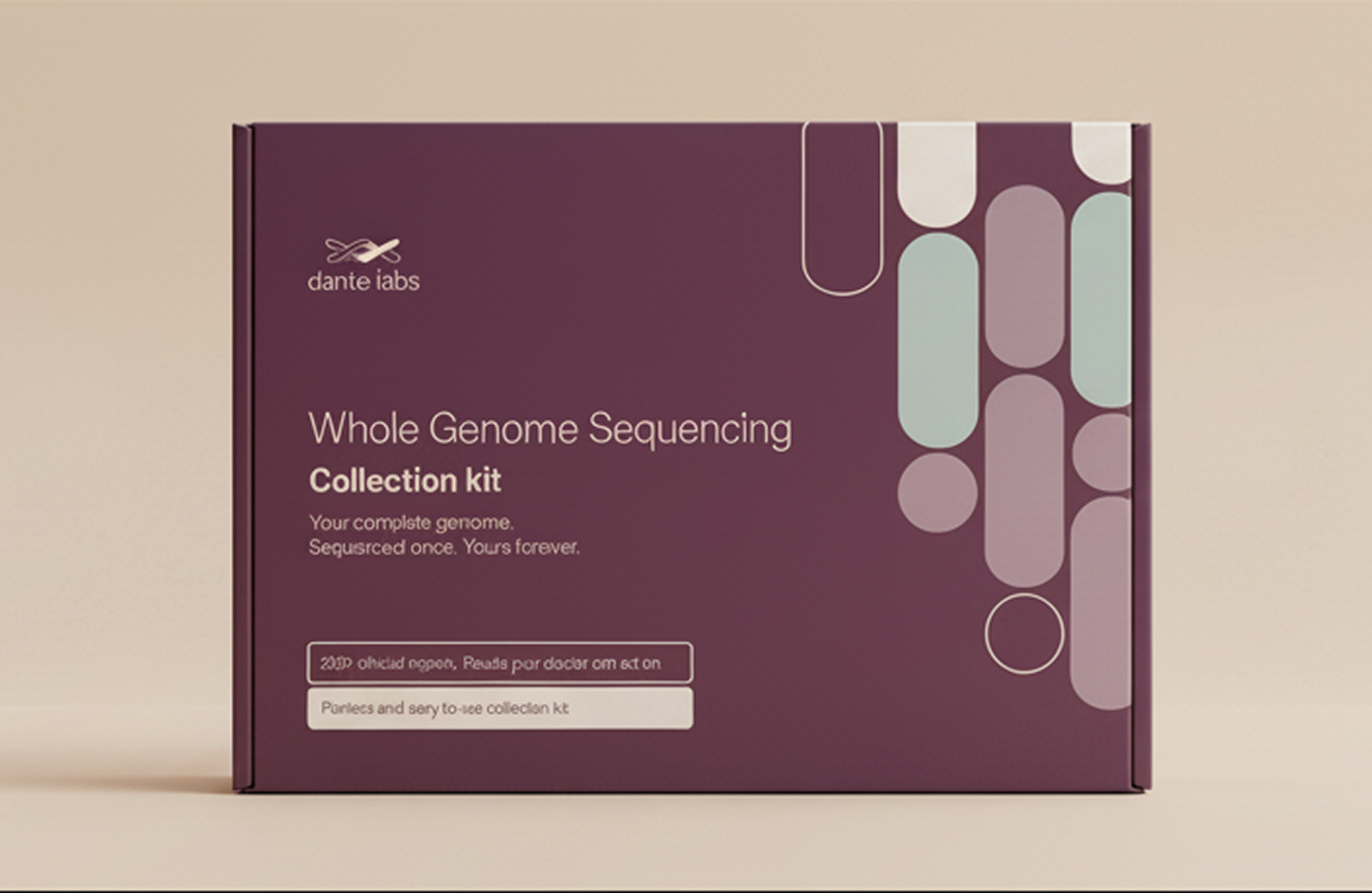
Every condition on this page is covered by a single test: the Dante Genome Test. 30X whole genome sequencing, 200+ physician-ready reports, updated for life.
$465
Ships within 48 hours · Results in 6 to 8 weeks (EU: €399)
BNPL / HSA / FSA ELIGIBLE